Proteus 7.10sp2 Repack

The rice used for sushi must be acidified with acetic acid (vinegar) to pH less than 4.6 to inhibit the growth of pathogenic bacteria. To measure pH, simply place a sample of rice mixture onto the flat sensor of LAQUAtwin pH meter.
 

PROTEUS 7.10SP2

PROTEUS 7.10SP2

Introduction

Rice used for sushi must have a pH of less than 4.6. At pH levels below 4.6, most pathogenic bacteria do not grow or produce toxins1. Thus, the rice must be acidified using acetic acid (vinegar) to be classified as non-hazardous. The LAQUAtwin pH pocket meter is used as quality control check to ensure that the rice is adequately acidified, before selling to consumers. This is an easy, quick check method used to abide to the ANZ Standards2 in ensuring that customers are safely consuming sushi.

Method

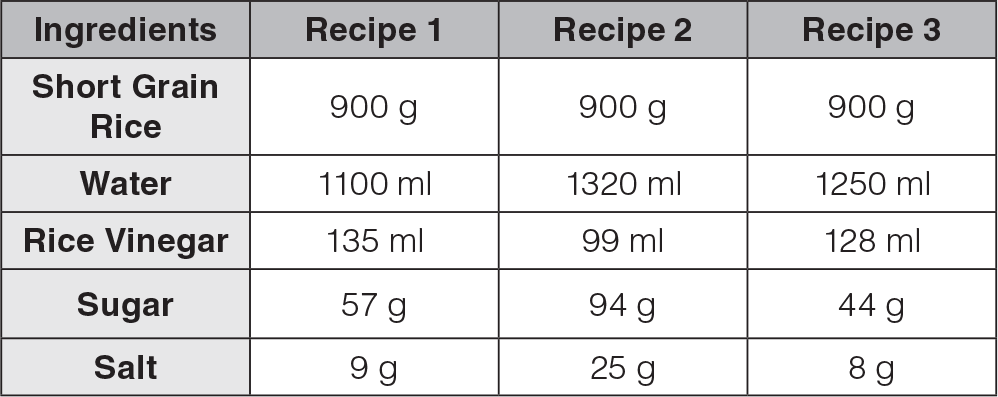
Acetic acid (vinegar) should be mixed into the rice according to the following table: 

PROTEUS 7.10SP2

A small sample of the rice mixture is placed on the flat sensor of the LAQUAtwin pH pocket meter and measured. If the measured value is above pH 4.6, add more acetic acid to the rice mixture and stir well. Place new rice sample on the sensor and repeat testing process. After tests, wash the sensor with diluted soap water and pat dry with a paper tissue.

Results and Benefits

The use of accurate pH testing in controlling the quality of sushi rice prevents the growth of pathogenic bacteria and toxins. The LAQUAtwin pH pocket meter is small and compact; convenient to carry around in your pocket and is ideal for on-site testing. Its easy-to-use interface makes the LAQUAtwin pH pocket meter an indispensable tool for food testing.

References and Suggested Readings

1 Hocking, A.D; 2003. Foodborne Microorganisms of Public Health Significance, AIFST, Waterloo

2 Food Safety Guideline for Preparation and Display of Sushi, June 2007, NSW/FA/F1005/0706

Proteus 7.10 SP2 represents a significant stability and maintenance update within the Proteus 7.x software lineage. Building upon the 7.10 release, this Service Pack focuses on resolving critical bugs identified in the initial release, enhancing the robustness of the VSM (Virtual System Modelling) simulation engine, and improving compatibility with modern operating systems of the time. This version serves as a bridge between the legacy architecture of Proteus 7 and the architectural shifts introduced in Proteus 8.

In the rapidly evolving world of Electronic Design Automation (EDA), few pieces of software achieve cult status. Yet, for hobbyists, students, and even professionals working with legacy systems, remains a gold standard. Released by Labcenter Electronics, this specific version—7.10 with Service Pack 2—represents a sweet spot in the software’s history. It was mature enough to be stable and feature-rich, yet predates the subscription-based licensing and heavy resource demands of later versions (8.x and beyond).
: Serving as a standard tool in universities for teaching electronic theory and microprocessor systems.

The software has evolved significantly since the 7.10 series. Newer iterations like Proteus 9 have introduced: Modern user interfaces with . Enhanced 3D Visualization Engines for layout review. Advanced Push and Shove routing for PCB design.

Related Products

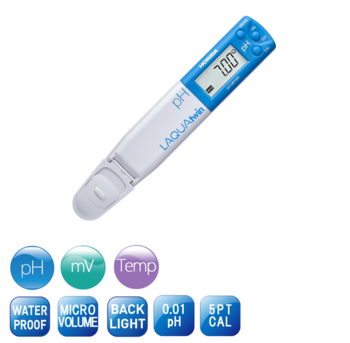
LAQUAtwin pH-33
LAQUAtwin pH-33

Pocket Water Quality Meters

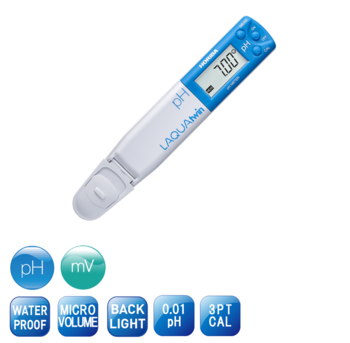
LAQUAtwin pH-22
LAQUAtwin pH-22

Pocket Water Quality Meters

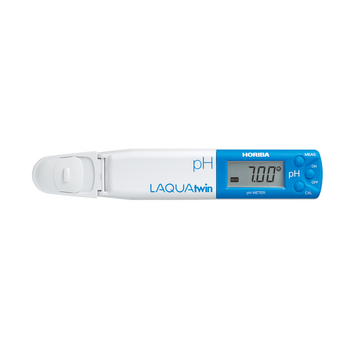
LAQUAtwin pH-11
LAQUAtwin pH-11

Pocket Water Quality Meters

Water & Liquid Corporate